Pretty Ipoh, Malaysia- is it accessible enough for a visitor?
Have you ever heard of Ipoh? The truth is that this destination doesn’t usually make it on traveller’s itineraries and doesn’t get the international attention it deserves, but it is often visited by locals from nearby Asian countries. This is a place that should be mentioned more in travel guides.
Ipoh, the capital of Perak state is Malysia’s third largest city, renown as a premier culinary destination and a former tin mining hub. Situated within the karstic Kinta Valley, it blends historic charm in its old town - featuring colonial British architecture and street art with breathtaking limestone cave temples.
Ipohs golden age emerged in the 1880’s when it became the tin mining capital of the country. The riches promised attracted thousands of immigrants, the majority of them Chinese, who brought along their culture and of course their food.
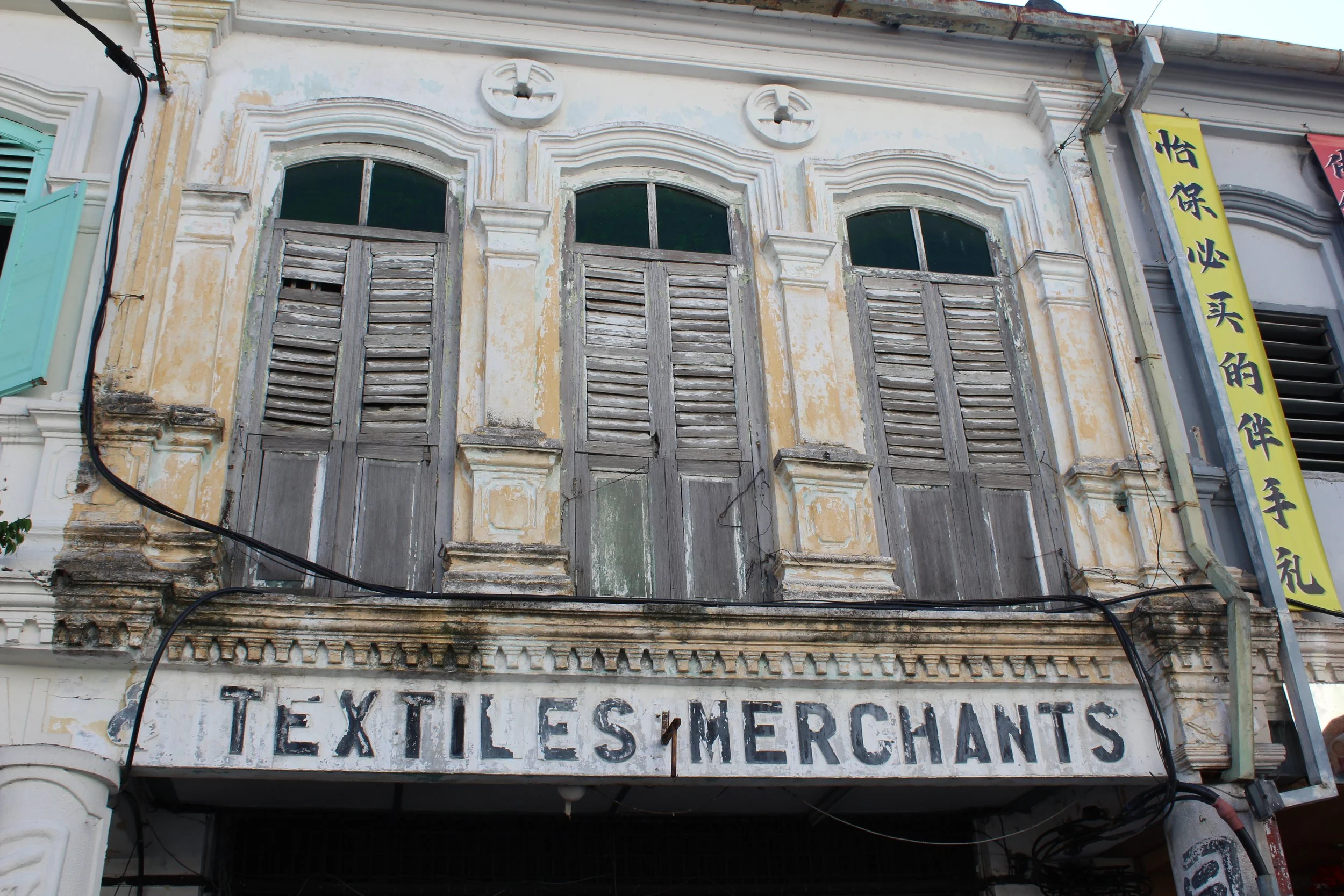
Ipoh’s wealth in its boom period is reflected in its architecture. The old town is full of these buildings, some do look a bit worn and in need of restoration, but they still stand as a reminder of Ipoh’s glorious past. We hope that as tourism grows more of these will be saved from their decline. They are promising projects and ripe to convert to boutique accommodation, cafes and shops.
Once in the old town you can follow the Old Heritage Trail (map from tourist office) and a couple of hours moderate walking you will see most of it. However the best way is to ditch the map and let your feet guide you to the surprises Ipoh has to offer. It is flat and mostly accessible.
Traditional Chinese chophouses surround the streets and graffiti artists have left their marks on deteriorating walls.
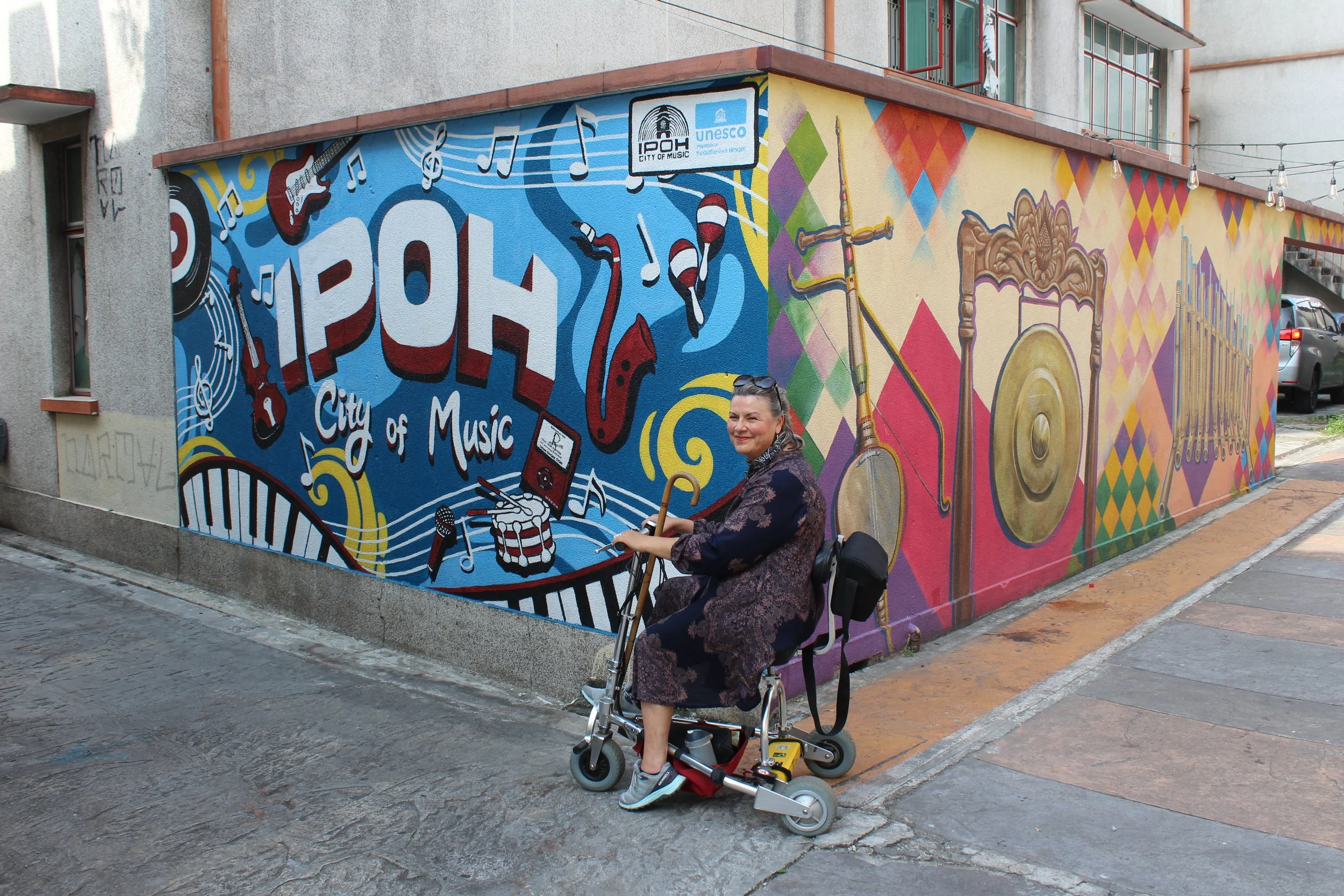
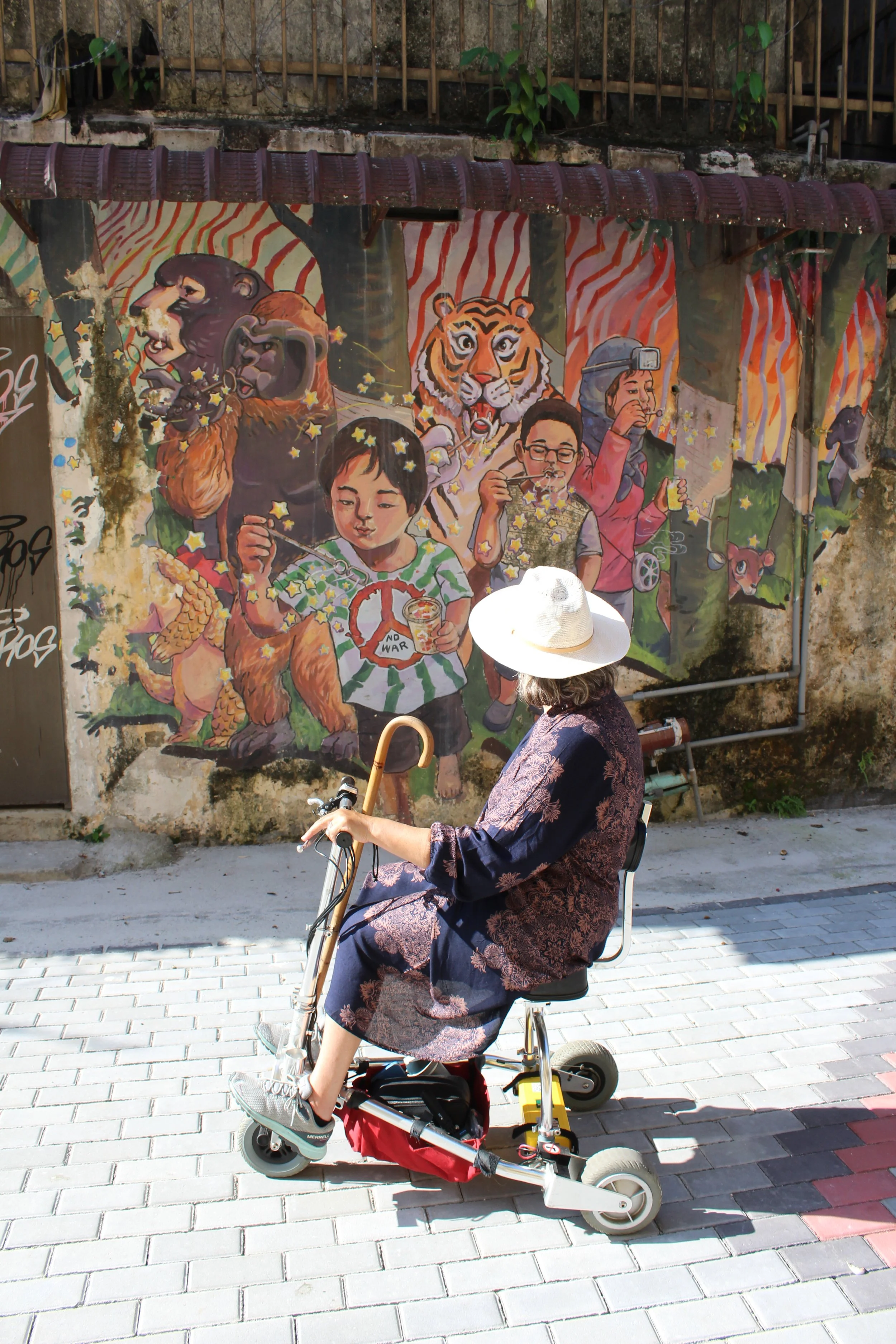
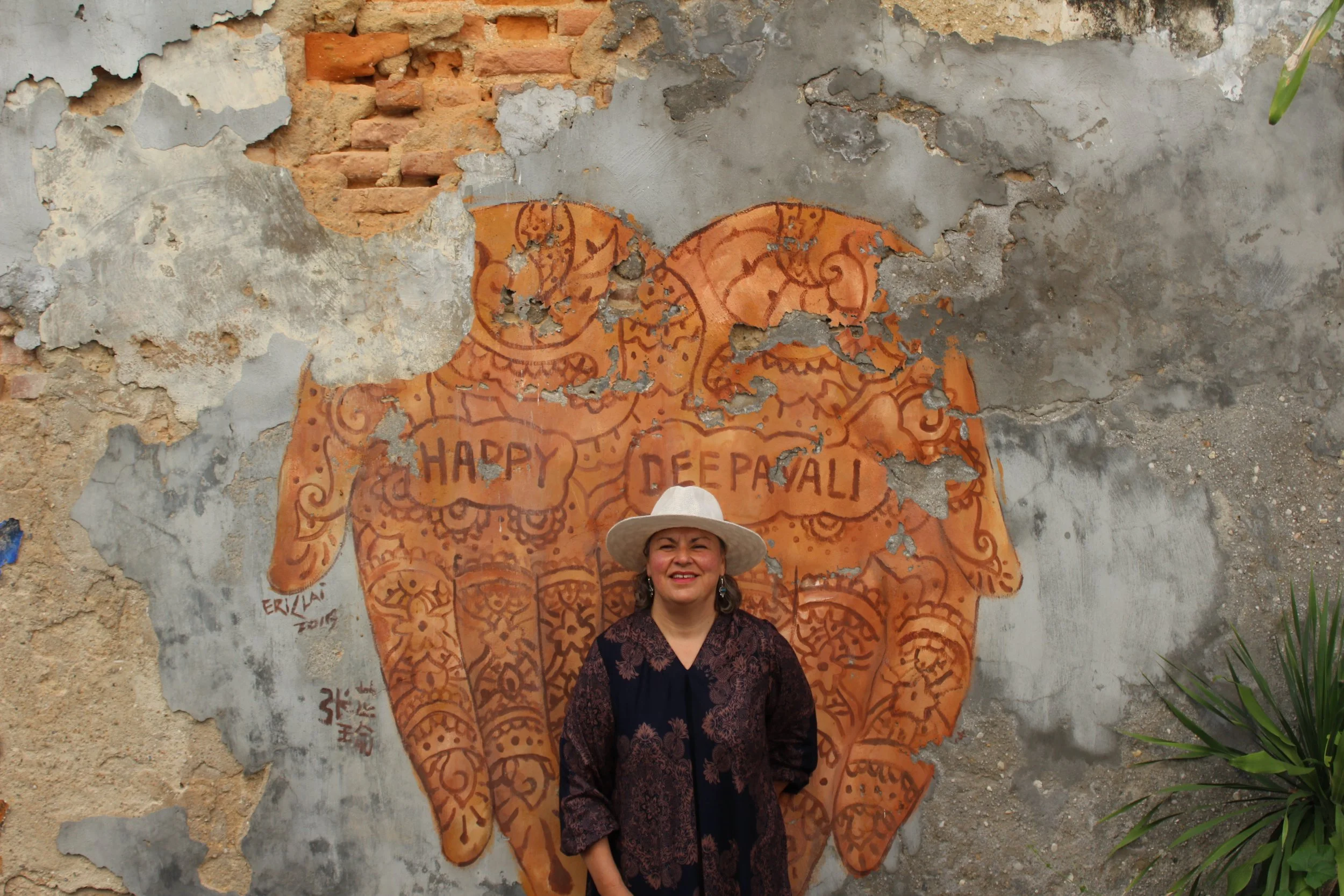
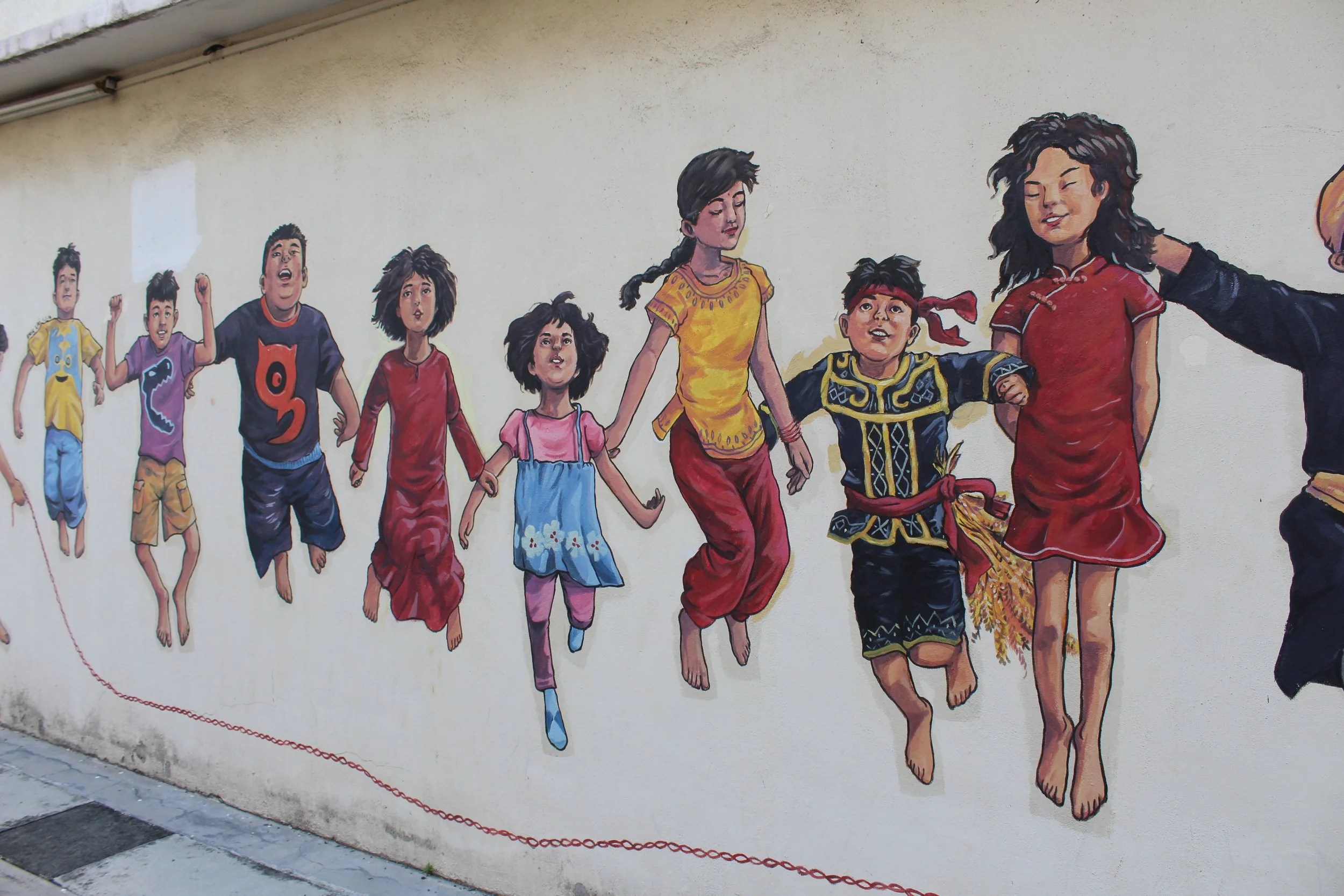
Explore the imaginative designs of Ipoh street art and mural lane paintings on the walls and buildings as you meander the lanes of the old town. Known as some of the best in Malysia they can be found on Mural Lane and in the historic Old Town.
The Famous 3 lanes originated in the early 1900’s as a discreet commercial enclave for mistresses of wealthy Chinese tin miners. Originally they collected rents from Opium dens, gambling halls and brothels but now these historic narrow lanes serve as a popular, revitlised cultural heritage spot in Ipoh.
Concubine - the most famous and lively now packed with cafes, souvenir shops and ice cream parlours.
Market - known for its artistic charm featuring murals and art installations.
Wife - distinct quieter atmosphere.
The most famous colonial architecture is the Railway Station ( the Taj Mahal of Ipoh as it is referred). The exterior is quite beautiful with its arches, columns and large central dome. This beauty is still a functioning railway station and probably your arrival point into the city. In the same building is the Majestic Hotel which hopefully will be restored to its former glory.
Across the road from the station as you head towards the old town is the stunning Town Hall and opposite the Sultan Idris Shah Mosque. Here you will see the Birch Memorial Clock Tower named after the first British resident in Perak State who was killed in 1875 by the local resistance to the British. It honours a hero in the eyes of the British and a villain from the perspective of Perak’s Malays.
The Old town is moderately accessible, the footpaths are uneven and sometimes cluttered with stalls and scooters, so at times you are on the road between sights. Be aware that a lot of the footpaths have large kerbs due to high rainfall and not all have ramp access points. All the main sights seem to have really good access and with a little patience you can get around. Getting out and about early avoids the crowds especially around Concubine Lane and by doing that we were more relaxed about taking our time if accessibility was an issue in certain areas. As a bonus your not waiting for that great photo opportunity and you avoid the heat of the midday sun.
Kinta river walk - short walk from the old town is a peaceful riverside escape form the hustle. At night the trees light up from the multitude of neon lights. We found the section we used fully accessible and apart from avoiding grazing cattle was a pleasant time to escape the energy of the town.
Believe it or not but there are around 30 temples set in limestone caves around Ipoh. Chinese immigrants who settled discovered many caves hollowed out in the limestone hills and decided they would be great places for their religious rituals, meditation and prayer.
Perak Cave Temple is Ipoh’s most famous and is a must see. As you approach you see the front of a large temple with red and white facade sitting under the limestone cliff. The inside of the large cave is painted with amazing murals and frescoes depicting Buddhist deities and Chinese calligraphy. A 15 metre high golden statue of a sitting Buddha dominates the first cave section. Spend time just relaxing in this serene and stunning cave, enjoying your complimentary cup of tea. You can be dropped off at the front entrance and the entire lower floor is flat and fully accessible. There are some steps at the rear of the cave if you wish to see other levels, but the entire ground floor is stunning and the main sights are all here. Also a fully accessible bathroom is outside the Temple.
Southeast of Ipoh there are a cluster of 3 temples and is an ideal place to experience Taoist and Buddhist religions. They are all within walking distance of one another and all distinctly different. Like all functioning temples they are free to visit but donations are accepted.
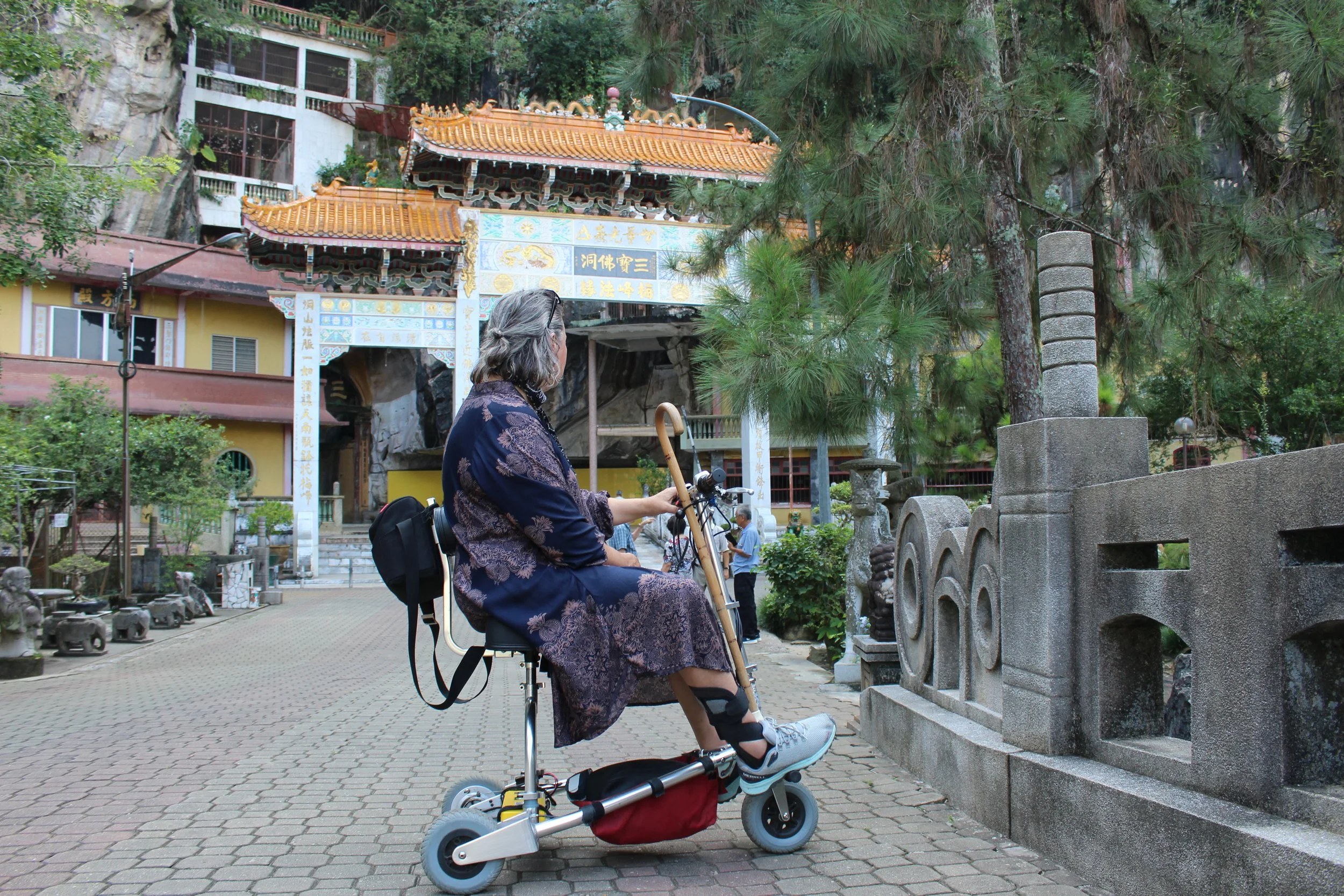
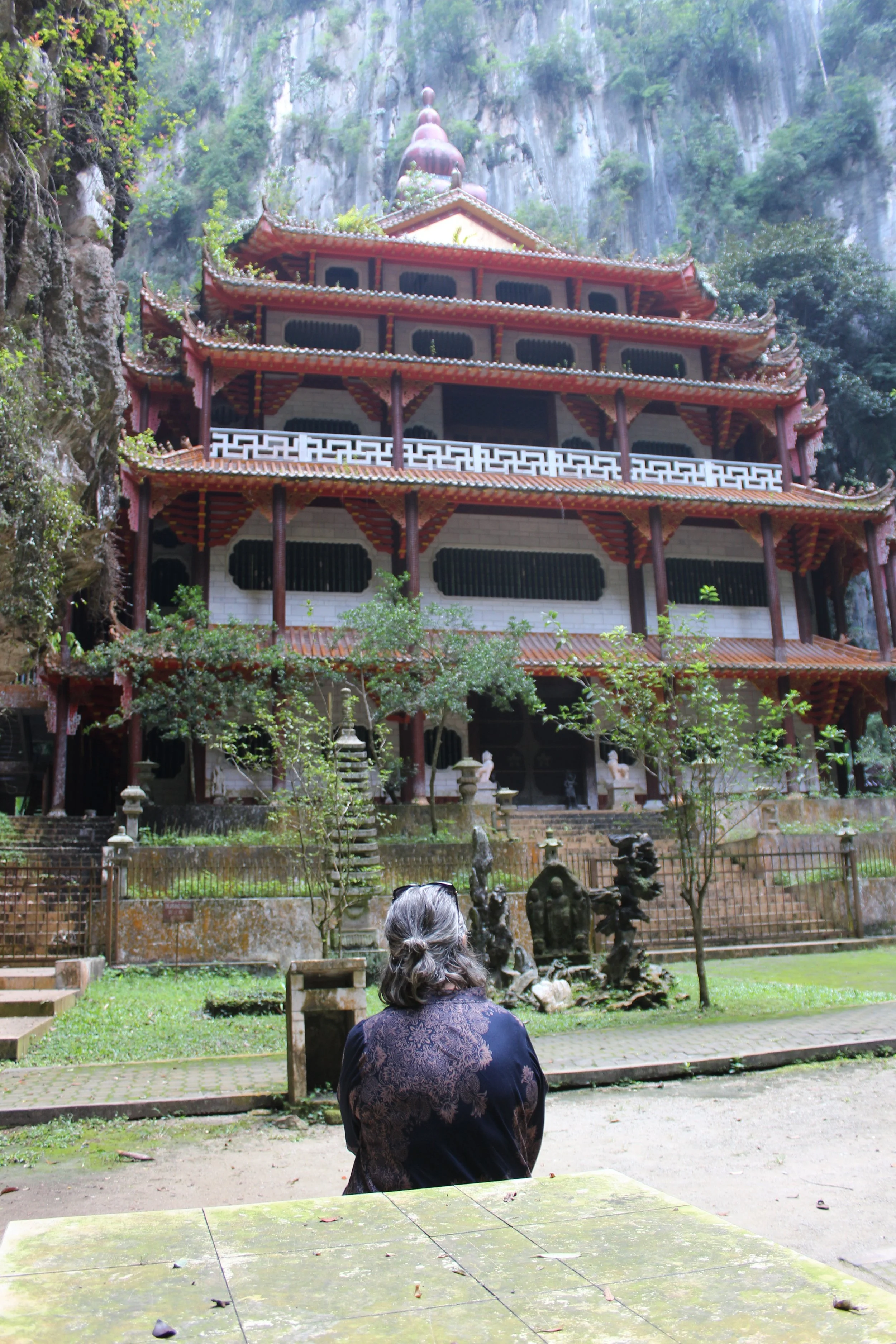
Sam Poh Tong is the most famous and the oldest in the area. A commanding arch heralds the entrance, but the main sanctum is surprisingly small. Large deity statues and Buddhas sit behind glass as you make your way towards a short low ceiling tunnel that leads to an enclosed valley. A stunning red Pagoda is the centrepiece, its colours bright against the surrounding cliffs. Opposite is the tortoise pond which is well populated and you can buy food for them on the way in. This is a calm space and very tranquil if you arrive early and avoid the crowds. This temple has accessible front grounds but the temple itself has small sets of steps and I can partially ambulate so were able to access the inner temple via the short tunnel. I am sure with help a full wheelchair could navigate this and it is well worth the effort.
The 2 temples down the road are Nam Thean Tong which has brightly decorated grounds and a giant golden statue of Confucius and Lin Seng Tong which features whimsical character statues and paintings in vibrant colours . Both of these have fully accessible grounds to view but the temples have steps.
If you enjoy nature there are some special spots to visit. To take in the limestone karst hills, Tasik Cermin lake is accessed by a mysterious 90 metre long tin miners tunnel. The deep green water reflects the surrounding limestone walls covered in palms and jungle where if you are lucky you will spot monkeys and you can listen to the bird call echo around the special lake. The tunnel is a bit bumpy, but not that long and my Travel Scooter handled it well. A nice touch in Malaysia is that the disabled get free access to most of their paid attractions so I showed my Disabilty Card from home and was on my way.
Like most of Asia, Ipoh has its share of night markets. The nightly Gerbang Malam Market in the heart of the city is the big shopping market with incredible bargains on Footwear, clothing, perfumes, accessories and everything else imaginable. This is the cheapest market we have seen on our travels in Asia. Fully accessible as it is on the main road in central Ipoh and has a fully disabled bathroom in the middle of town.
For food there is the Ipoh Night Market which has a large food court, impressive childrens entertainment zone with rides, slides and fun zones. Unfortunately the multitude of empty shops there does detract from the atmosphere of the place although we visited a week night so maybe the weekends are busier. Pasar Malam Market held every Friday night is brilliant, the food exceptional, the display of cooking workmanship amazing and the friendly local atmosphere make this a must see. Once again fully accessible, but does get crowded at times and the car parking is limited so accessing your vehicle on arrival and departure can be a little difficult, but the locals are courteous and patient.
For something different every Sunday wander along Memory Lane for an antiques and collectibles market. Remember the good old days of chopper bikes, LP records, Sony discmans and Boom boxes. There is clothing, food, herbal remedies and everything you can imagine for sale. Very busy and has multiple entry points so navigating is comfortable and is one of those markets where you can take your time getting around.
There is certainly a lot to see but if you are looking to retire here you have time. The main appeal is its livability as most of it is flat, with great accommodation at every level, fantastic food and a low cost of living.
We travelled by train from Kuala Lumpur and at a cost of USD $29 for two people. This is one of the most budget friendly ways to travel across Malaysia. Located halfway between Kuala Lumpur and Penang and accessed by fast trains this is a fantastic location in terms of being able to travel to other locations. It also has an airport which adds to the convenience. Train travel was excellent for accessibilty, with carriages designed for wheelchairs (check on website when buying tickets online) and priority lines given for access.
There is a good bus service but we use the Grab app because we enjoy the door to door service and it is very inexpensive. The Grab drivers were very accommodating and you can choose the vehicle that suits you best. The footpaths are a bit hit and miss. Some are poorly maintained and there are not always ramps where you need them. They are also high off the ground because of the heavy rainfall so this might be a consideration if you are not steady on your feet.
Our accomodation was a one bedroom apartment in Anderson Residences which was large with a separate lounge, dining and kitchen which also included a washer dryer. With an outlook over the Kinta River, where we watched cruising River Monitors, a variety of birdlife and a family of Otters most evenings this was an added highlight of our stay. We enjoyed our stay especially with the large swimming pool which made all the difference in a hot climate, with a well equipped gym and onsite security. If you chose to get a scooter or buy a car there is covered parking under the building. The building was fully accessible, steps into the large pool, with the only step being a low one into your apartment. Our apartment was spacious so plenty of room to park the Travel Scooter.
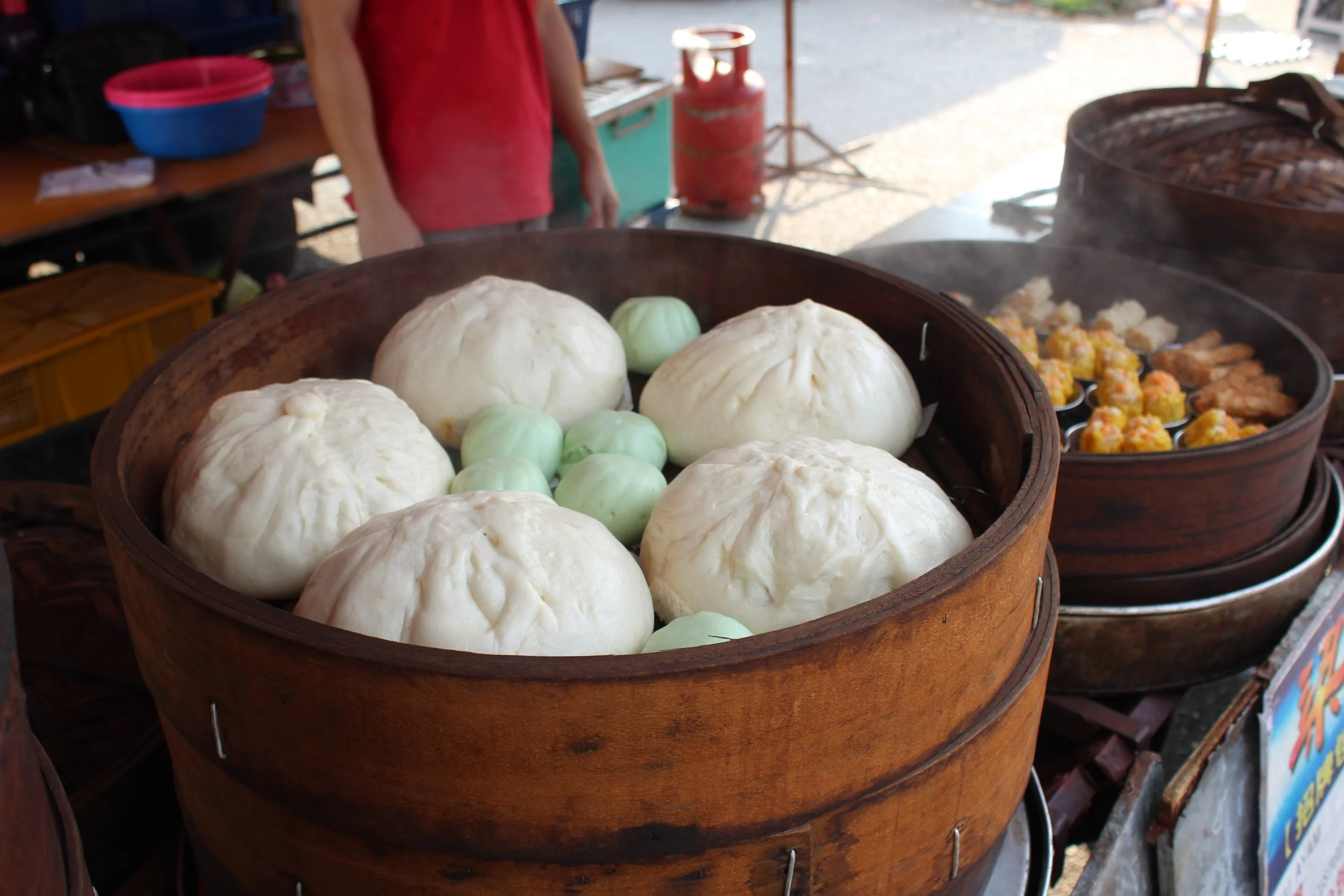
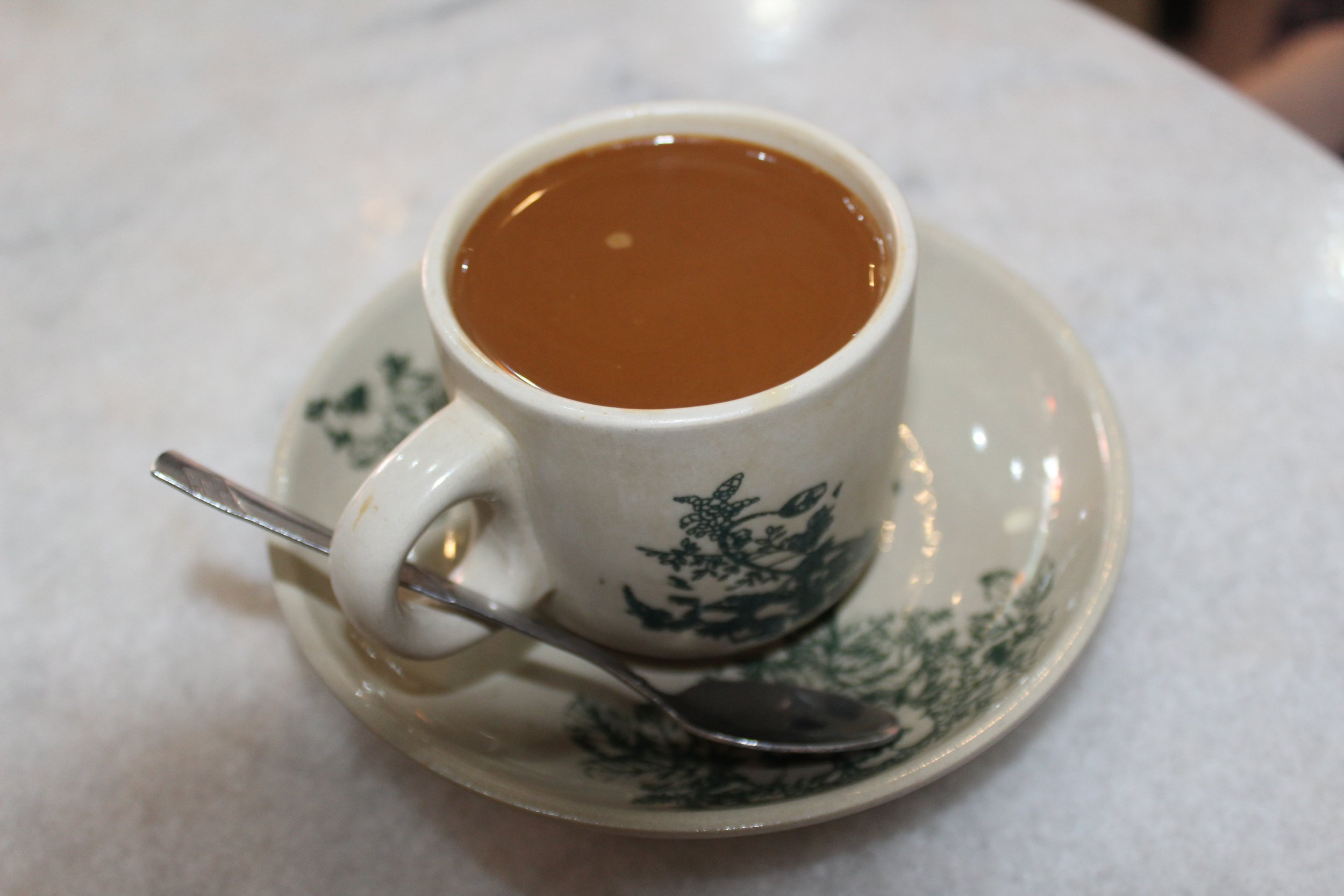
Food is plentiful delicious and very reasonable. We ate at smaller local restaurants because the food was fresh, tasty and met our budget. There's a strong cafe or kopitiam, as they call it culture, with fantastic coffee including the specialty Ipoh White Coffee The way they roast the beans makes it rich and flavourful so you don't need any sugar is it has an almost chocolaty after taste. They very rarely have baked goods but you can buy these from small shops elsewhere. They tend to focus more on savoury dishes and the Chinese are the predominant culture so noodles and rice based dishes were more common. be sure to try Char Kway Teow or chicken with bean sprouts, both delicious and made more special by the way they have utilised the mineral rich waters of Ipoh.
Our small local restaurant Perlita, was where we ate breakfast most days of Roti Canai, made fresh the roti is flaky, piping hot and the dahl slow cooked and perfect for dipping. Combined with black coffee It is a great way to start the day and so reasonable at an average cost of USD $3 and that included drinks!
Also had a Nasi Kandar counter where you can select from assorted proteins including chicken cooked many ways, coconut rice, eggs, vegetables and Curry sauces. Being able to curate your meal to your own taste at a very low cost Is a great way to eat.
Alot of the restaurants have a step to navigate, but some do have small ramps. There are restaurants with outdoor areas with more space to navigate and some of the popular ones in town have seating on the road especially in Gerbang Malam which takes any hassle out of the equation. Check photos and google reviews for more info to ease any worries when choosing your dining option.
For shopping there is the Gerbang Malam night market where you can pick up accessories, shoes, clothing and other necessities at bargain prices. For more options you can shop at The Malls and we visited Ipoh Parade, the largest mall which also has a supermarket in the basement. Here you'll find a huge range of items including pharmacies for medications and toiletries. There is always something to discover there and we were surprised and delighted to find a pet shop that had snakes, lizards and small gerbils. We got to pet a lizard but I wasn't so keen to hold a snake although they are very beautiful.
The main mall was ramped but found once again their was a step up before you could access it. Hopefully with time these issues will be addressed.
For entertainment it also has a bowling alley and a cinema showing English language movies. The mall is also a place to find respite from the unrelenting heat as we slowly became acclimatised. But some days It climbed to 36 degrees celsius so the pool and air conditioning made this tolerable. We learnt like the locals to go out in the morning or evenings when the temperature drops to a more pleasant 27-29 degrees. The climate is hot and humid as it is subtropical with most rainfall between August and December.
So in summary Ipoh is a fantastic option for retirement but also very appealing as a destination for travel It has that rare combination of modern convenience, natural Beauty and a layered history. This creates an incredible food culture, a rich historical area to wander and the opportunity for interesting excursions to see the jungle or cultural beauty in the form of temples.
Our budget for the month excluding any extra shopping other than some basic toiletries was USD $1800 and this included our apartment at a cost of almost 1000 because we booked it on a short term rate. If you were to book an apartment for 6 to 12 months you could achieve a cost much lower than this so in terms of a low cost place to live It fits the brief.
Over time we can see that there will be more development as the expat community grows and parts of the Old Town are improved even more. So I would say if you want to see it before the tourist boom, plan your visit soon. It's well worth making the time for as we really enjoyed it.
So in conclusion Ipoh is a very enjoyable city to visit even for the mobility impaired. Certainly do your own research especially of accommodations. You can ask as many questions as you need, to have peace of mind that you are booking a place to stay that meets your needs. It is a modern city but there is a good mix of cultures and stunning nature areas to keep it interesting and fun to explore.
The main thing to be aware of is your own confidence in busy places and at times to have to be on a road because you can’t access the footpath. If this is in your wheelhouse then I think you will find plenty to enjoy!